
Aesthetic Surgery Insights from Dr. Yalçın Bayram
Considering aesthetic surgery is a journey filled with as many questions as it is excitement. "Is this right for me?" "Will the results look natural?" "What is the recovery process really like?" "Which technique is the best for my specific case?" These questions are a natural and essential part of your decision-making process.
In today's digital world, you might feel lost in an ocean of information while searching for answers. Conflicting opinions, methods promising "miracles" with no scientific basis, and content written purely with commercial intent can add to your confusion.
This blog was prepared to be your compass at this very juncture. It is an honest, transparent, and reliable source of information that explains not just "what" is done, but "why" and "how." Our goal is not to pressure you with sales-oriented promises, but to empower you with scientific facts and expert opinions.
The expertise behind these articles is based on the 25+ years of experience of Assoc. Prof. Dr. Yalçın Bayram, a Specialist in Plastic, Reconstructive, and Aesthetic Surgery. Dr. Bayram believes that the best surgical outcome begins with a patient who fully understands the entire process. Therefore, in this blog, he addresses the most common questions his patients ask, their deepest concerns, and the details they are most curious about.
As you navigate our articles, you will find critical comparisons like: "Are teardrop or round implants better for breast augmentation?", "What is the real difference between liposuction and a tummy tuck?", "What is the day-by-day recovery from a facelift really like?", or "What do Botox and fillers actually target?" We explore not only the procedures themselves but also the recovery details, scar management, and the secrets to achieving truly natural results.
Our mission is to ensure you can take conscious, knowledgeable, and confident steps on your aesthetic surgery journey. The right information is the foundation for the best decision. If you wish to dive deeper, you can explore our articles on Facial Aesthetics, Breast Aesthetics, or Body Contouring.

When choosing a facelift surgeon, first confirm that the doctor is registered as a specialist in a surgical field whose training covers facelift surgery, and check any associate professor or professor title they hold. Then look at the licensed hospital where the operation will take place, the surgeon’s facelift experience and how clear the plan offered to you at consultation is. A decision to operate that is finalised without an in-person consultation, promotion built around discounts and deals, and promises of certainty are warning signs.

In a facelift, the surgeon works through incisions in front of and behind the ear, most of which are hidden in the hairline; the sagging SMAS layer and the deep tissues are repositioned, and excess skin is removed without creating tension. The operation is performed in hospital, usually under general anaesthesia; local anaesthesia can also be used in suitable patients, and the hospital stay is usually two nights. Most patients return to social life within 2–3 weeks, and the final appearance usually settles within 3–6 months.

Yes, a facelift leaves a scar; every surgical incision leaves a permanent scar. Because the incisions are usually placed in the crease in front of the ear, around the earlobe, behind the ear and within the hair-bearing scalp, in most patients the scar fades over time to a fine, pale line that is not very noticeable. How visible the scar is depends on factors such as closure tension, skin type, smoking and aftercare, and varies from person to person.

Yes, in most patients a facelift and neck lift are done together, because the SMAS layer in the cheek continues into the neck as the platysma muscle, and sagging along the jawline and looseness in the neck usually come from the same process. If the laxity is only in the neck and under the chin, a neck lift on its own or double chin liposuction may be enough. After the combined operation, most patients return to social life within 2–3 weeks; which option suits you is decided at consultation.

This site does not publish set prices; the fee for a facelift is set after an individual assessment. The main factors that determine it are the technique used and the extent of the operation, any accompanying procedures, the type of anaesthesia, the hospital and inpatient stay, the length of the operation, post-operative check-ups, your health and any previous surgery, and the surgeon’s experience. When comparing quotes, it is worth asking which of these items are included in the price.

The “pulled” or tight look sometimes seen after a facelift is mostly caused by putting the lifting load on the skin, pulling the tissues too far horizontally, overlooking volume loss, and changes to the earlobe and hairline. A natural result depends on repositioning the deeper tissues in the right direction, closing the skin without tension, adding volume where needed, and having realistic goals. Which approach suits you is decided at consultation.

Neck liposuction only removes the fat under the skin beneath the chin and on the neck, through small openings; it suits people with good skin elasticity whose concern is mainly fat. A neck lift also corrects loose skin, the neck muscle bands and, when needed, deep fat; it is more extensive surgery, recovery takes longer, and it is usually preferred together with a facelift. Which one suits you is decided at consultation by assessing your skin, fat and muscle structure.

A neck lift is considered for people with loose skin under the chin and on the neck, prominent vertical muscle bands (platysmal bands) and fullness that does not go away with diet, who are in good enough general health for surgery and whose weight is stable. In people with good skin elasticity whose only concern is fat under the chin, a more limited procedure may be enough. Which method suits you is decided at consultation, and results vary from person to person.

Upper eyelid surgery mainly lightens the look of the eyes by removing excess skin and is usually performed under local anaesthesia; lower eyelid surgery addresses under-eye bags and the groove beneath them and usually requires sedation or general anaesthesia. In suitable patients, eyelid surgery can be performed in the same session as a facelift; this means a single anaesthetic and a single recovery period, but it makes the operation longer. Whether the combination is suitable is decided at consultation, after assessing your general health and the structure of your eyelids.
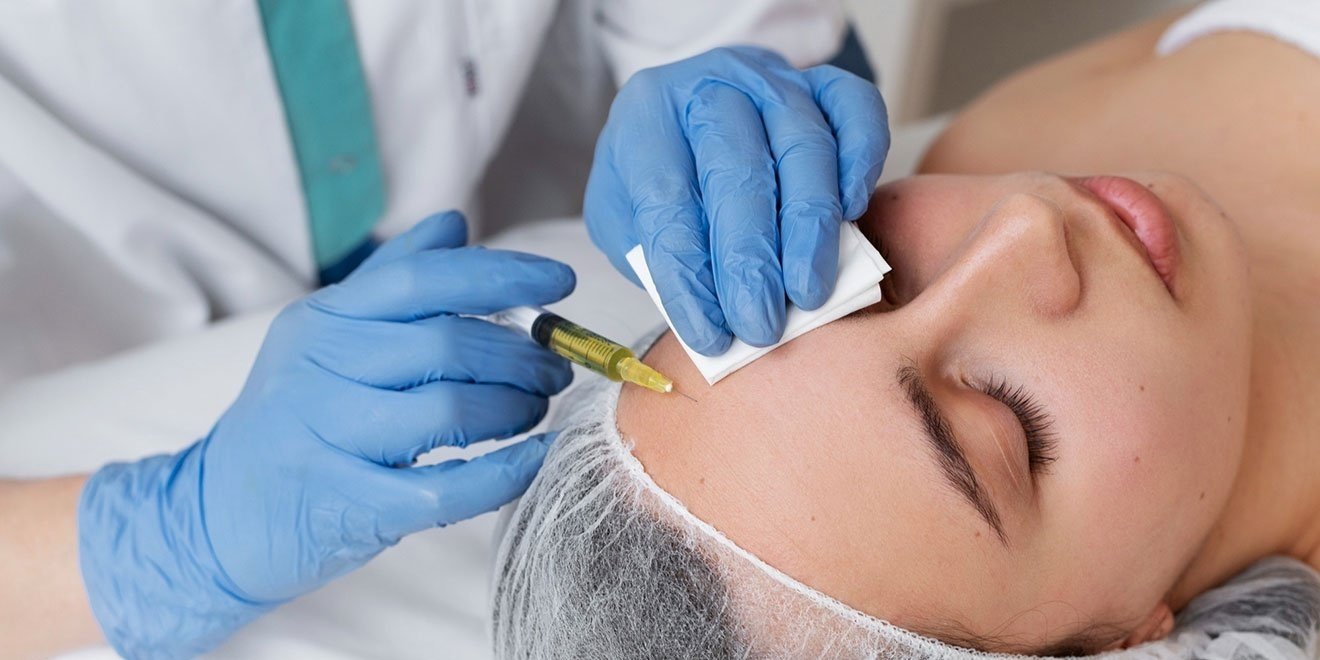
Our face is the mirror that most clearly reflects the effects of time. As we age, we experience not only a decrease in collagen in our skin but also a significant volume loss in the deeper bone structure and the fat pads that give our face that youthful, full expression. Cheeks hollow out, temples empty, deep troughs form under the eyes, and the jawline loses its sharpness and becomes undefined.
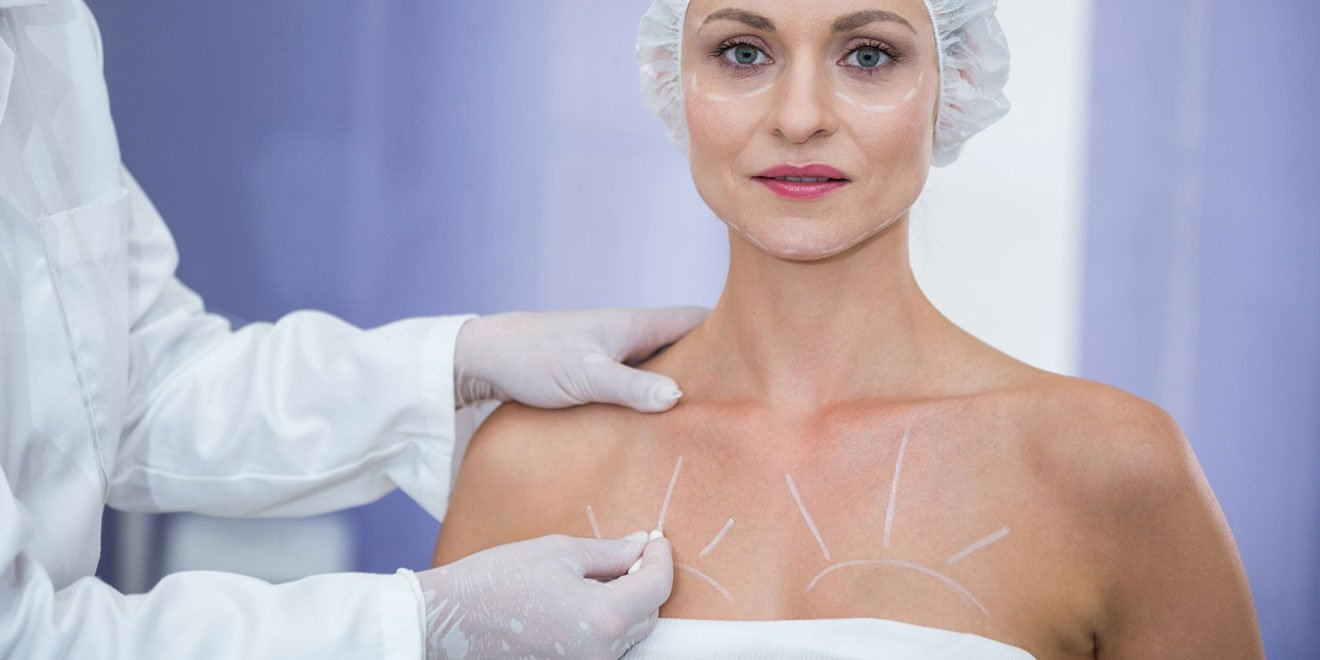
You've decided on breast augmentation surgery. Perhaps you've spent months researching, chosen between a teardrop (anatomical) or round implant, and decided on your dream volume (CC). But now, you are faced with the most critical and most technical decision of the entire process: Where will the implant be placed?

An endoscopic brow lift is an operation that repositions descended brow and forehead tissue with the help of a camera, through 3–5 small incisions within the scalp, and is generally considered for mild to moderate brow descent. Forehead lifts can also be performed using the classic coronal, hairline (pretrichial) and temporal techniques; which one is suitable is decided at consultation, according to forehead height, the hairline and the degree of sagging. When choosing a surgeon, specialisation in plastic, reconstructive and aesthetic surgery and the ability to explain the techniques impartially are the key criteria.

In a deep plane facelift, the surgeon works beneath the SMAS layer, releases the face's retaining ligaments and repositions the skin and SMAS together as a single unit. In a SMAS facelift, the skin is separated from the SMAS, the SMAS is usually tightened with folding stitches (plication) or by removing a strip of it, and the ligaments are generally not released. Which technique suits you depends on where and how much the face has descended, your skin quality and your expectations, and is decided at consultation.

A curvy "hourglass" silhouette has become one of the most desired looks in modern aesthetic perception. The key to this look is the aesthetic and proportional transition between a slim waist and full buttocks. However, many people have a genetically flatter buttock structure or cannot achieve the volume they desire despite intensive exercise programs.
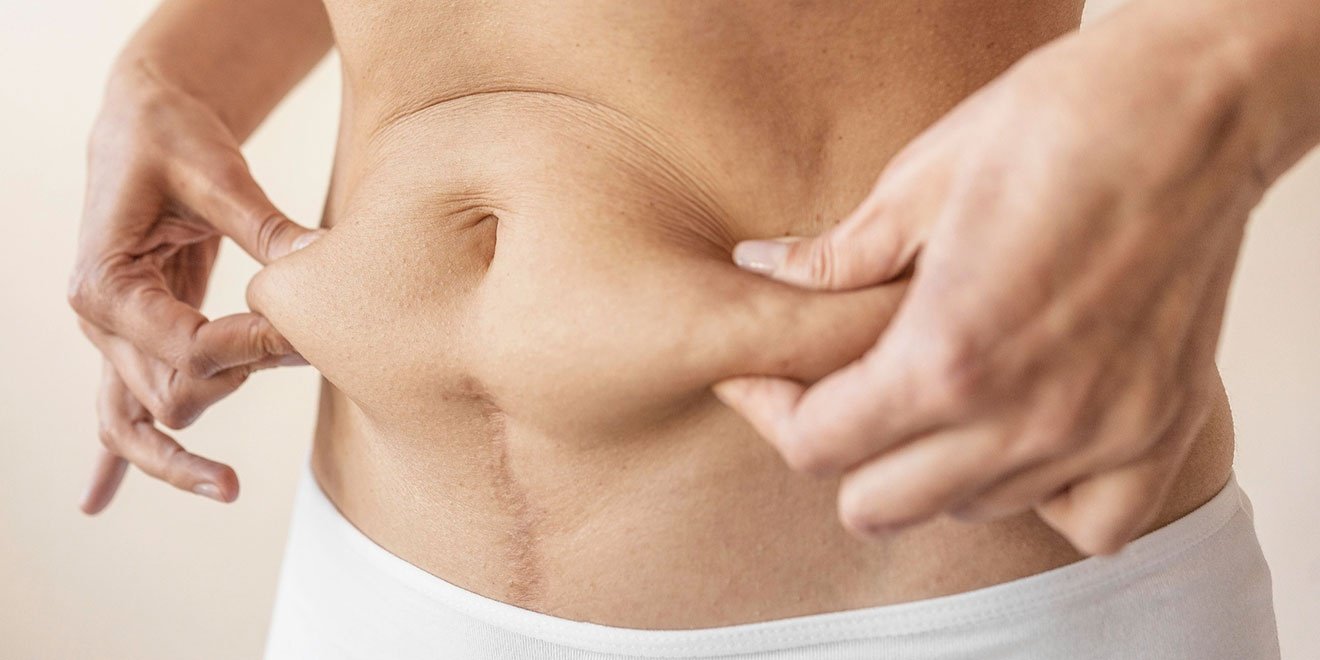
When you stand in front of the mirror, you might be facing an image of your abdominal area that makes you unhappy. That "excess" that just won't go away, despite months of dieting and strenuous exercise, may lead you to consider cosmetic surgery. However, this is where the most common confusion for patients begins: "Do I need Liposuction, or do I need a Tummy Tuck?"

Experiencing both sagging and volume loss (deflation) in the breasts after childbirth, breastfeeding, or significant weight loss is extremely common. The most effective way to solve both problems simultaneously is to combine a Breast Lift (Mastopexy) and Breast Augmentation (Implant) surgery. This combination surgery offers excellent results, giving the patient both lifted and full breasts under a single anesthesia. However, is every patient an ideal candidate for this combined procedure?

The two most common aesthetic issues women experience with their breasts over time are sagging (ptosis) and volume loss (deflation). Especially after pregnancy, breastfeeding, or significant weight fluctuations, breast tissue both loses its elasticity, causing it to droop, and loses its internal fullness.

Attractive, full, and youthful-looking lips are one of the most desired elements of facial aesthetics. Many patients seeking this goal first consider lip filler applications. As a fast, non-surgical, and effective method for adding volume, hyaluronic acid fillers are used safely by millions.
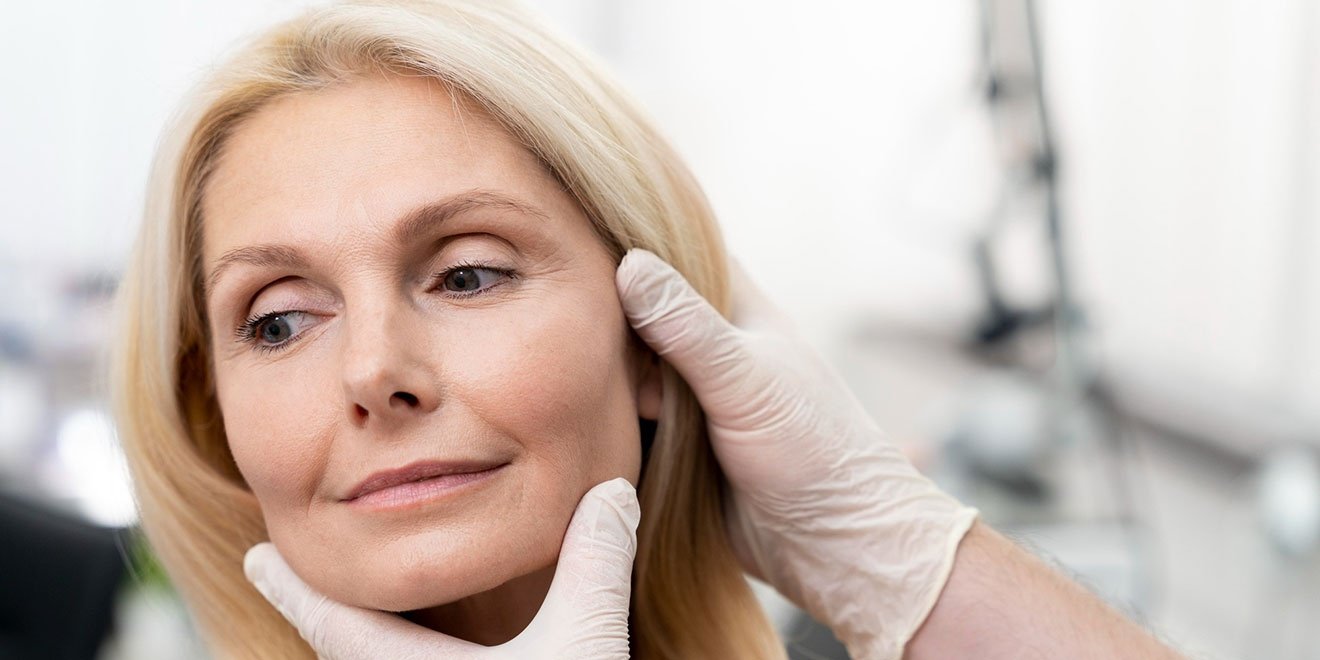
Defining facial contours, restoring lost volume, or strengthening the profile are among the most requested applications in modern aesthetics. The jawline, chin, and cheekbones, in particular, are key points that define facial attractiveness. Patients wishing to enhance these areas are typically presented with two popular options: Facial Implants and Facial Fillers.
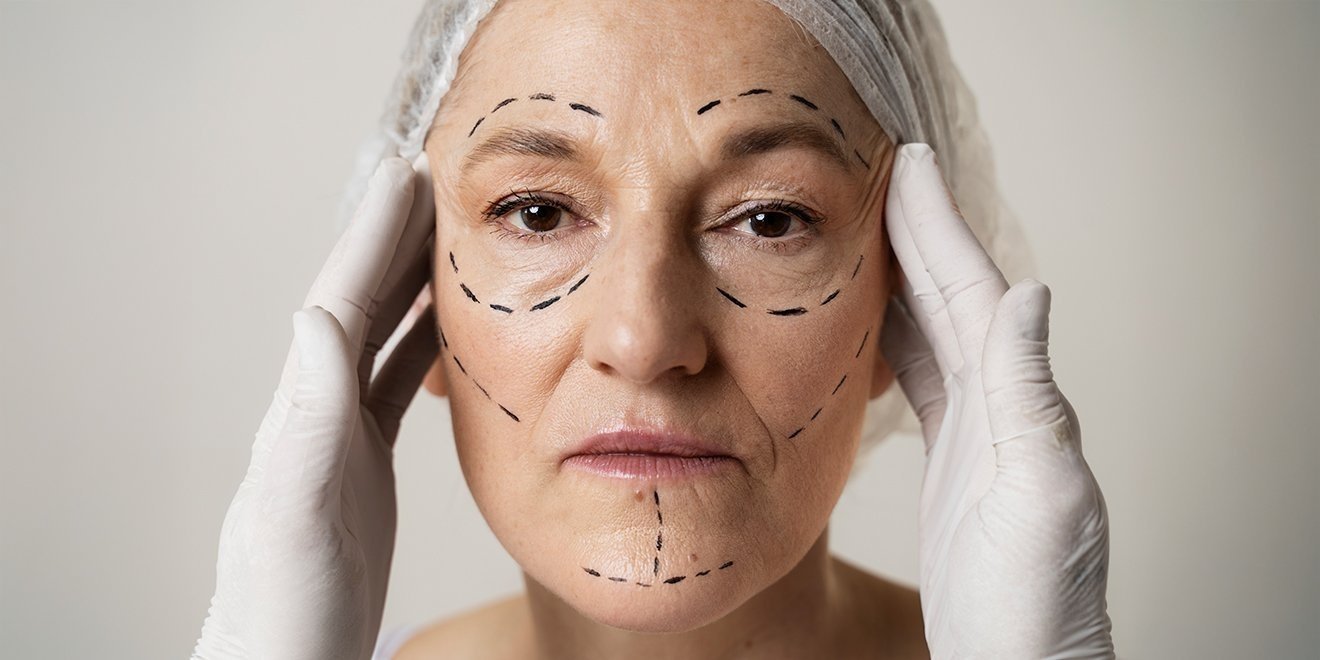
Non-surgical facelift treatments (such as thread lifts, focused ultrasound, radiofrequency and fillers) can improve skin quality and mild laxity, but they cannot reposition the deeper tissues that have descended or remove excess skin. For this reason, they do not replace a facelift when sagging is marked; their effects are temporary and may need to be repeated. Which option suits you is decided at consultation, based on the degree of sagging and your skin quality.
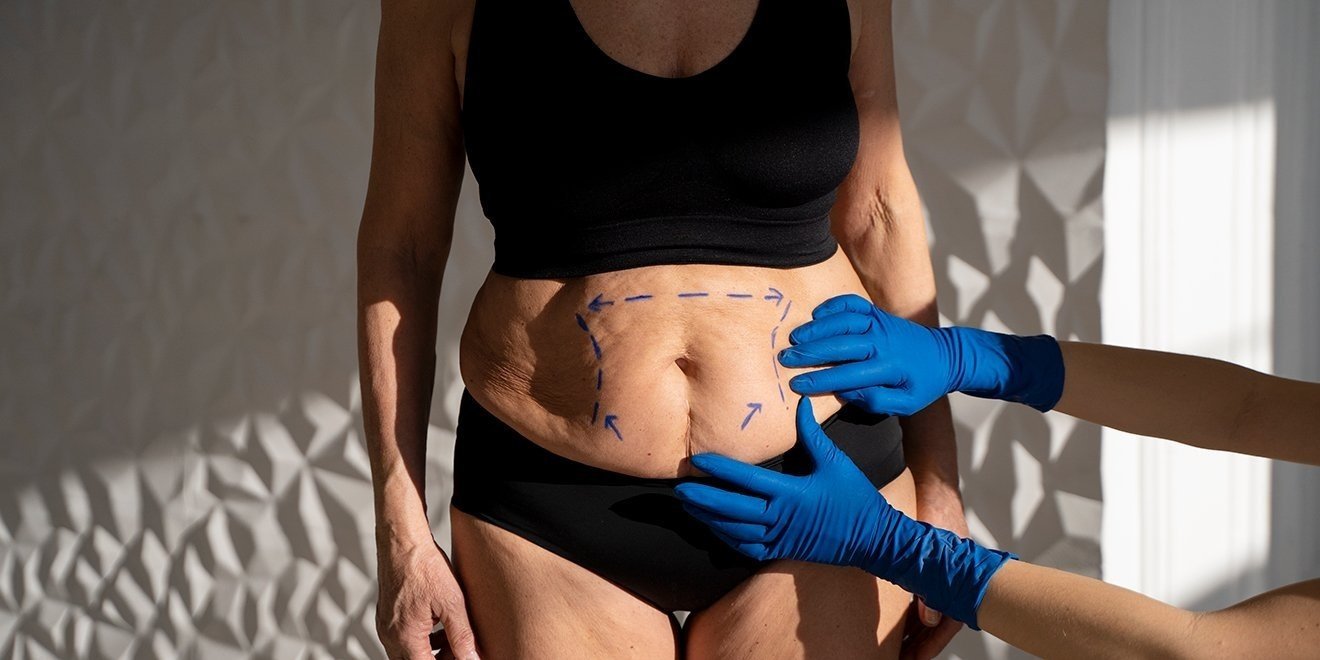
Giving birth is one of the most transformative experiences in a woman's life. This miraculous process leaves both physical and emotional marks on your body. While enjoying your motherhood journey, it is perfectly natural to notice the changes your body has gone through and to desire a return to your "old self."
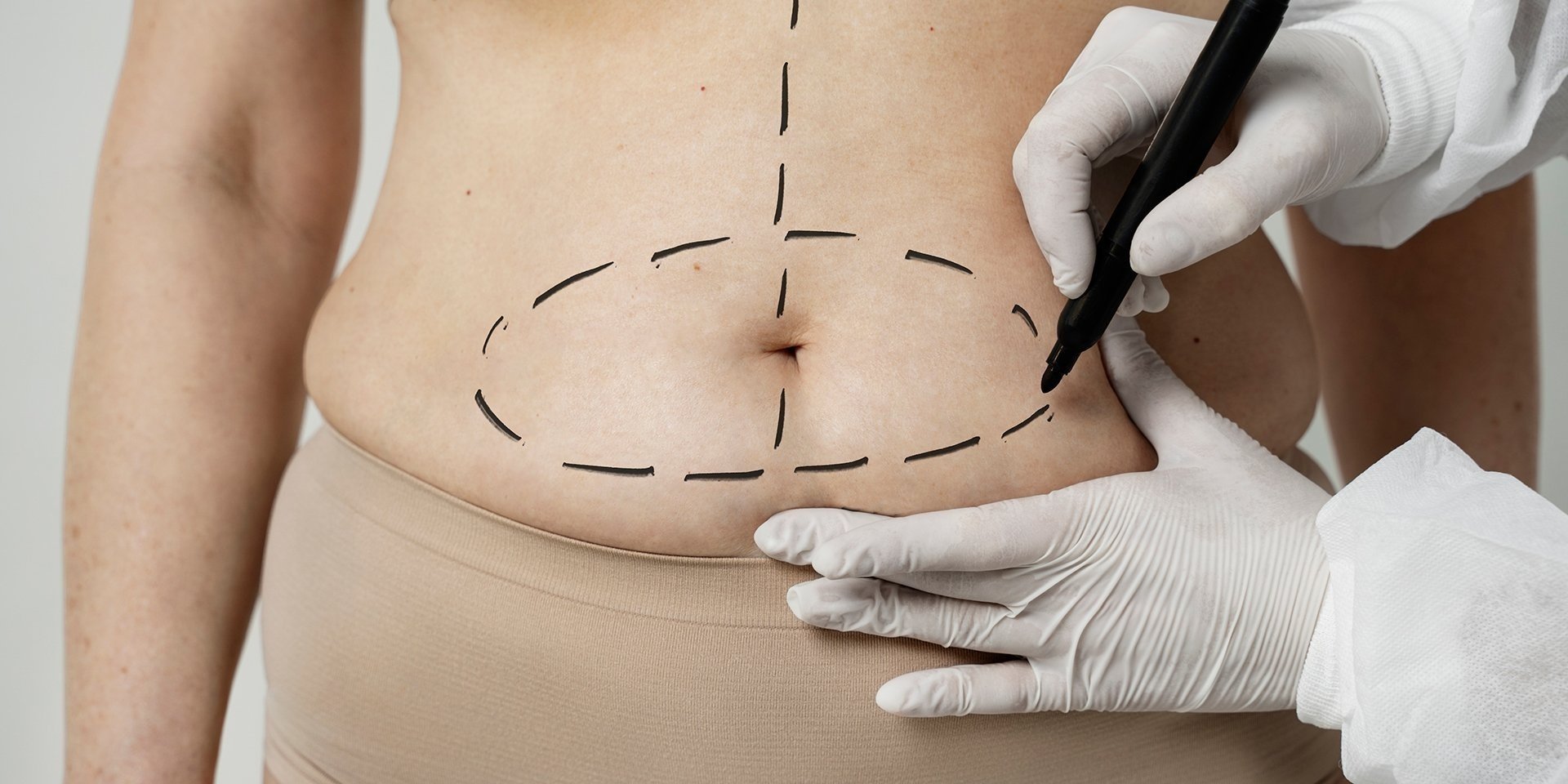
Plastic surgery, aesthetic surgery, reconstructive surgery... Although these terms are often used interchangeably in daily life, each carries a different meaning and focus. Many patients who visit a clinic for an aesthetic concern are often unaware that they will benefit from the much broader expertise of plastic surgery.
