
Facelift Surgery in Turkey by Assoc. Prof. Dr. Yalçın Bayram
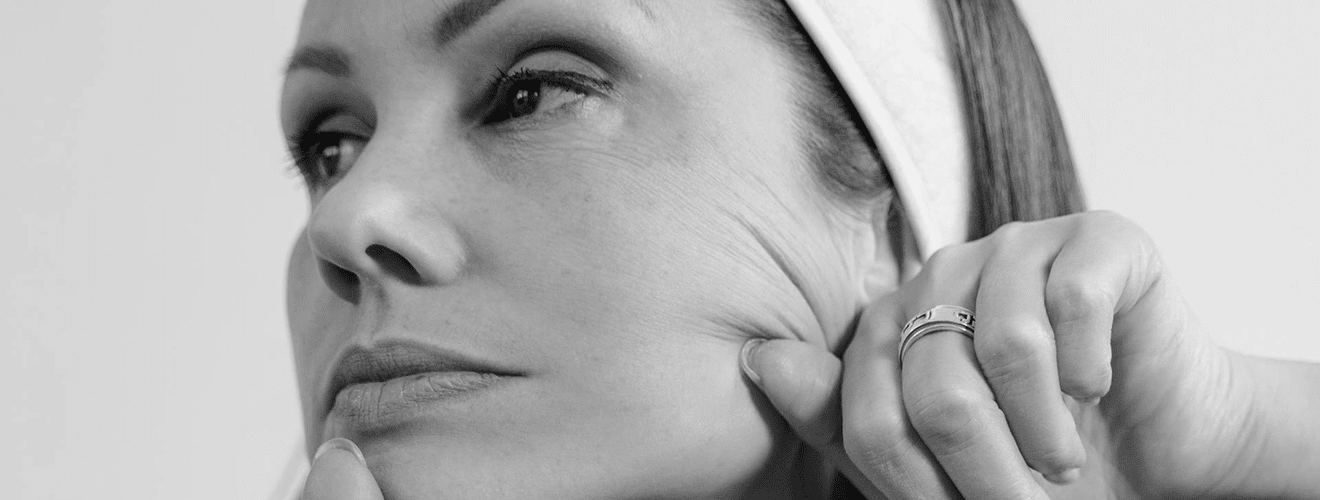
As time passes, the collagen and elastin fibers in our skin weaken. Compounded by the effects of gravity, this leads to volume loss and sagging in the face. Cheeks descend, the sharpness of the jawline diminishes (forming jowls), and wrinkles and looseness appear on the neck. This natural aging process can make a person look more tired, sad, and older than they actually feel. When you desire the reflection in the mirror to align once again with your inner energy and the age you feel, one of the options offered by modern aesthetic surgery comes into play: Facelift Surgery (Rhytidectomy).
The Art of Natural Facelift in Turkey
A facelift isn't merely about tightening sagging skin; it's the art of repositioning the deep support tissues beneath the skin (the SMAS layer) to restore a three-dimensional youthfulness to the face. For patients considering facelift surgery in Turkey, consultations and postoperative checks take place at Assoc. Prof. Dr. Yalçın Bayram’s practice in Nişantaşı, Istanbul. The operation takes place in a hospital; the hospital arrangements are discussed before surgery. His aim is not to give you an artificial, "operated-on" look that resembles someone else, but rather a more rested, fresh, and natural version of your own face from years past. His goal is to reduce the visible signs of aging without altering your unique expression.
Deciding to undergo facial rejuvenation is a significant step driven by personal aesthetic goals. In the video below, Assoc. Prof. Dr. Yalçın Bayram explores the motivations behind this procedure. Watch as he details the top reasons to get a facelift, offering his professional insight on how this surgery aims to address visible signs of aging.
What is Facelift Surgery?
Facelift Surgery, known medically as Rhytidectomy, is a comprehensive surgical procedure designed to address sagging, deep wrinkles, and laxity in the mid-face, lower face, and neck regions. The core philosophy of modern facelift techniques is to avoid the artificial, "wind-tunnel" appearance caused by excessively pulling the skin.
Instead, the primary focus is on the underlying SMAS (Superficial Musculoaponeurotic System) layer – the interconnected sheet of muscle and fibrous tissue beneath the skin. This deep layer is meticulously lifted and secured into its more youthful, elevated position. Subsequently, the skin is gently redraped over this newly rejuvenated foundation without tension, and the excess is carefully removed. This approach aims for results that are natural-looking and long-lasting.
Why Choose Facelift Surgery in Turkey?
Turkey is a well-established destination for aesthetic medicine, attracting many international patients for facial rejuvenation procedures. Here are some points to consider when planning this procedure with Assoc. Prof. Dr. Yalçın Bayram:
- Academic and Surgical Expertise: As an Associate Professor, Assoc. Prof. Dr. Yalçın Bayram combines academic knowledge with practical experience in complex facial anatomy.
- Hospital Arrangements: The operation takes place in a hospital. The hospital and surgical plan are discussed before surgery.
- Individual Scheduling: Consultation, surgery and follow-up dates are agreed as part of your individual plan.
- Practice in Nişantaşı: Examinations and postoperative checks are carried out at the practice in Istanbul.
Book Your Consultation for Facelift Surgery in Turkey
Who is a Good Candidate for Facelift Surgery in Turkey?
Facelift surgery in Turkey is ideal for individuals exhibiting noticeable signs of aging who wish to achieve a more youthful appearance. Key factors determining good candidacy include:
- Mid and Lower Face Sagging: Significant volume loss and downward descent of the cheeks and jowls.
- Prominent Nasolabial Folds: Deep creases running from the sides of the nose to the corners of the mouth.
- Loss of Jawline Definition: Formation of jowls along the jawline, obscuring its sharp contour.
- Neck Laxity: Sagging skin, vertical bands (platysmal bands), and a "turkey neck" appearance in the neck area.
- Good General Health: Absence of serious medical conditions that could impair surgery or healing.
- Realistic Expectations: Understanding that the surgery won't stop time but can reduce visible signs of aging, and desiring a natural outcome.
While this operation is typically performed on patients aged 45 and older, it may also be needed at earlier ages due to genetic factors or significant weight loss. Nowadays, facelift procedures are also increasingly performed on younger individuals seeking a slimmer, more defined lower face.
Male Facelift in Turkey: Masculine & Natural
Facelift surgery is not one-size-fits-all. The male face requires a distinct approach to preserve masculine features, such as a stronger jawline and a natural beard alignment.
Assoc. Prof. Dr. Yalçın Bayram specializes in Male Facelift techniques, aiming to ensure that:
- The incision lines are carefully hidden to accommodate short hair and beard growth patterns.
- The vector of the lift is adjusted to avoid a "pulled" or feminized look.
- The focus remains on defining a sharp, strong jawline and neck, restoring vitality without altering the rugged character of the male face.
Facelift Surgery Techniques: Which Method is Best for You?

Every face ages differently. Therefore, Assoc. Prof. Dr. Yalçın Bayram doesn't rely on a single standard method but creates a personalized surgical plan based on each patient's unique needs and anatomy.
Traditional (SMAS) Facelift
This is a well-established technique for patients with advanced sagging in the face and neck. The incision typically starts in the temple hairline, follows the natural curve in front of the ear, curves under the earlobe, and extends behind the ear into the lower scalp hairline. This incision allows comprehensive access to lift and tighten the SMAS layer in the face and address muscle laxity in the neck.
Deep Plane Facelift
The Deep Plane Facelift is a more advanced evolution of the SMAS technique. The surgeon works beneath the SMAS layer, releasing key facial ligaments to allow for a more significant and tension-free repositioning of the deeper facial tissues (including muscle and fat) as a single unit, along with the overlying skin.
- Why it's Popular: It has become highly sought-after in recent years. While the recovery might be slightly longer, the results are often considered more natural and longer-lasting because the lift comes from the deeper structures, putting less tension on the skin itself.
- Technical Skill: This is a technically demanding procedure requiring extensive experience and a deep understanding of facial anatomy. Assoc. Prof. Dr. Yalçın Bayram performs this technique.
The Deep Plane technique is a widely used approach in facial rejuvenation surgery. To understand in depth how this method differs from a traditional SMAS lift, and to learn about the role of retaining ligaments and the differences in recovery, you can read our expert guide: Deep Plane Facelift vs. SMAS Lift
Planning the Extent of Surgery
The extent of surgery is determined during consultation by assessing the face and neck, skin quality and degree of sagging. The plan is tailored to the individual rather than chosen by a general procedure label.
Mid-face Lift
This technique specifically targets sagging in the cheek area. It lifts the descended fat pads over the cheekbones back to their original, more youthful position. It is often performed in conjunction with lower eyelid surgery (blepharoplasty) through the same incision site under the lash line.
Neck Lift (Platysmaplasty)
Neck Lift (Platysmaplasty) is often an integral part of a comprehensive facelift, but can also be performed alone. A small incision is typically made under the chin, allowing the surgeon to tighten the underlying, loosened platysma muscles (platysmal bands) and remove excess fat. Excess neck skin is addressed through the facelift incisions behind the ears. This is crucial for achieving a sharp, defined jawline and neck angle.
For a closer look at candidacy and the options discussed during consultation, see who is a neck lift suitable for and our comparison of neck lift and neck liposuction.
Enhancing Your Result: Common Combination Procedures
A facelift creates a powerful foundation for rejuvenation, but combining it with ancillary procedures can help achieve a more harmonious, "Total Face" result. Assoc. Prof. Dr. Yalçın Bayram often recommends the following combinations:
- Facelift + Neck Lift: The most common duo. While the facelift addresses the mid and lower face, the neck lift corrects vertical bands and excess skin on the neck, aiming for a defined jawline from every angle.
- Facelift + Blepharoplasty (Eyelid Surgery): Lifting the cheeks while leaving tired, baggy eyes can create a mismatch. Addressing droopy eyelids complements the fresh look of the facelift.
- Facelift + Fat Transfer (Lipofilling): Modern rejuvenation isn't just about lifting; it's about restoring lost volume. Using your own fat to fill hollow temples, cheeks, or deep folds enhances the natural, youthful glow.
- Facelift + Brow Lift: Opens up the upper third of the face, correcting a heavy or angry expression to match the rejuvenated lower face.
Facelift Surgery Recovery in Turkey: Healing Timeline

Recovery and postoperative checks are part of the individual surgical plan. Follow the written instructions provided by the clinic and attend the planned checks. Recovery times vary with the extent of surgery and the individual.
Here is a timeline of your healing journey:
- First Week: Swelling and bruising are expected in the early recovery period. A dressing and, when needed, drains are used. Dressing care, drain or suture removal and follow-up timing are determined by the treating surgeon.
- 1–2 Weeks: Swelling and bruising may begin to settle. Light walking is included in the clinic’s recovery instructions after 1–2 weeks; return to other activities is guided by your recovery and the surgeon’s advice.
- 3–4 Weeks: The clinic’s instructions distinguish light exercise from full exercise: light exercise may begin after 3–4 weeks, in line with the surgeon’s advice.
- After 12 Weeks: The clinic’s instructions place return to full exercise after 12 weeks. Progress is assessed individually during follow-up.
- 3–6 Months and Beyond: The appearance continues to settle and scars continue to mature. The pace of recovery and scar visibility vary from person to person.
Factors Affecting Facelift Cost in Turkey
The cost of a facelift in Turkey depends on the technique chosen (for example, a SMAS or Deep Plane technique), the extent of the procedure, the type of anesthesia and the length of the hospital stay. It is determined individually after a consultation and examination.
Book Your Consultation for Facelift Surgery in Turkey
Your Facelift Journey in Istanbul: 5-Step Guide
Travel, surgery and follow-up should be planned together. Before booking your trip, discuss the consultation schedule, hospital arrangements and postoperative checks with the team.
1. Travel Planning
Confirm your consultation dates, accommodation and any transport arrangements before travelling to Istanbul. These details should be clear before you book your trip.
2. Comprehensive Consultation & Pre-Op
Before the surgery, you will have a detailed, face-to-face consultation with Assoc. Prof. Dr. Yalçın Bayram. Together, you will review your aesthetic goals, and he will map out the surgical plan tailored to your unique facial structure. All necessary pre-operative blood tests and health checks will be conducted at the hospital to confirm that you are ready for surgery.
3. The Surgery Day
The operation takes place in a hospital under the surgical and anaesthetic plan agreed following the preoperative assessment. The technique and extent of surgery are determined individually.
4. Recovery & Aftercare
The length of the hospital stay and discharge arrangements depend on the operation and the postoperative assessment. Follow the written care instructions and the schedule for postoperative checks provided by the clinic.
5. Follow-Up & Return Travel
Return travel is planned after postoperative assessment by the treating surgeon. Before returning home, confirm the follow-up schedule and how to contact the clinic if you have a concern.
For more detail, see our articles on how a facelift is performed, facelift scars, combining a facelift and neck lift and what determines the cost of a facelift.
Frequently Asked Questions About Facelift Surgery
How long does a facelift last?
A facelift doesn't stop the aging process, but it aims to reduce the visible signs of aging. The results of the surgery are generally long-lasting. Although you will continue to age naturally, you can expect a fresher appearance than you would have had without the surgery.
Is facelift surgery painful?
After a facelift, patients often describe a sensation of tightness rather than sharp pain. You will not feel pain during the procedure because it is performed under general anesthesia. Post-operatively, discomfort is usually manageable with the painkillers provided by our team. Most patients switch to simple over-the-counter pain relievers within 2-3 days.
Are facelift scars noticeable after surgery?
Assoc. Prof. Dr. Yalçın Bayram meticulously places incisions within the hairline and along the natural contours in front of and behind the ears, so that they are placed in discreet areas. With careful closure techniques, these scars usually fade over time and become less noticeable.
Will my expression look frozen or pulled after a facelift?
This is a key difference between modern facelift techniques and older methods. Unlike outdated approaches that only pulled the skin tightly, modern techniques focus on lifting and repositioning the underlying SMAS layer and deep tissues. This results in rejuvenation without tension on the skin, aiming for a natural, dynamic result that preserves your unique expression.
What is the best age for facelift surgery?
There is no definitive "best" age. What matters more than chronological age is the condition of the skin and the degree of aging signs present. While often performed from the mid-40s onwards when signs of aging become more prominent, it can be suitable earlier or later in life depending on individual factors.
How is the extent of a facelift decided?
The areas to be treated and the surgical technique are planned after examining the face and neck. Skin quality, the degree of sagging, general health and the need for any additional procedure are considered together.
Are non-surgical facelift methods as effective as facelift surgery?
Non-surgical treatments like thread lifts, Ultherapy, or radiofrequency can provide some degree of skin tightening and may be good preventive measures for early signs of aging. However, no non-surgical method can achieve the dramatic, comprehensive, and long-lasting lifting and rejuvenating effects of a surgical facelift, which addresses the underlying structural changes of the face.
This is a critical question for many patients. To fully understand the anatomical limitations of non-surgical methods (like thread lifts and HIFU) and why they cannot replace a surgical (SMAS) lift for significant sagging, we recommend reading our in-depth expert guide: Non-Surgical Facelift vs. Surgical Facelift? An Expert Opinion.
What is the recovery like after a Deep Plane Facelift?
Recovery after a Deep Plane Facelift might involve slightly more initial swelling compared to a traditional SMAS lift due to the deeper dissection. However, because the lift is tension-free on the skin, many patients report a smoother, more comfortable recovery in the long run, often with natural-looking results. The overall timeline (returning to work, resuming activities) is generally similar to a traditional facelift.
Can I combine a facelift with other procedures?
Absolutely. In fact, combining procedures is the standard for a harmonious result. Commonly, a Facelift is paired with a Neck Lift, Eyelid Surgery (Blepharoplasty), or Fat Transfer to address all signs of aging simultaneously. Performing them in a single session can reduce overall recovery time.
How should I sleep after the surgery?
To minimize swelling and protect the incisions, you should sleep on your back with your head elevated (using 2-3 pillows) for the first 2 weeks. We recommend using a neck pillow (travel pillow) to prevent your head from turning side-to-side while you sleep.
What are the risks associated with facelift surgery?
As with any major surgery, potential risks include bleeding, infection, poor wound healing, nerve injury (usually temporary), numbness, and anesthesia risks. Choosing an experienced, board-certified plastic surgeon who operates in accredited facilities can help reduce these risks. A detailed discussion of potential risks will occur during your consultation.
What should I confirm before having a facelift in Turkey?
Discuss your health, the proposed operation, its risks, the hospital arrangements and the follow-up plan with the treating surgeon. Consultations and postoperative checks take place at the Nişantaşı practice; the operation takes place in a hospital.
When can I fly back home after a facelift in Turkey?
The timing of return travel depends on the extent of surgery, your recovery and the treating surgeon’s postoperative assessment. Confirm the planned length of your stay before booking, and follow the surgeon’s advice before flying.
How Does the Virtual Consultation Work?
Before booking your flight, you will receive a comprehensive evaluation from the comfort of your home.
- Send Your Photos: You will be asked to send clear photos of your face from the front and profile views (and 45-degree angles).
- Doctor's Analysis: Assoc. Prof. Dr. Yalçın Bayram personally reviews your anatomy, skin quality, and aging signs.
- Personalized Plan: You receive a detailed surgical proposal, including the recommended technique (e.g., Deep Plane vs. SMAS) and an exact price quote—so there are no surprises upon arrival. Your plan is then confirmed at your in-person consultation in Istanbul before surgery.
